 With 600+ Reviews!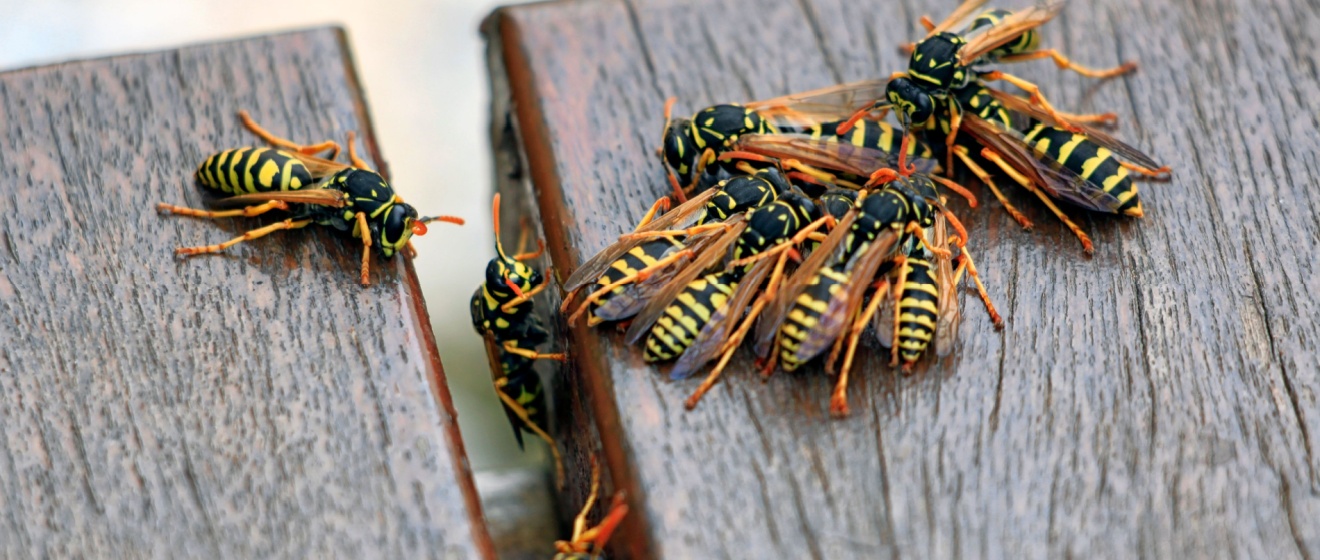
As the weather begins to cool in Mebane, NC, many homeowners welcome the change of seasons with open arms—football games, fall foliage, and crisp autumn air. But while summer pests may be winding down, fall brings its own winged menace: yellow jackets and wasps. These aggressive stinging insects often become more noticeable in September and October as their colonies reach peak size and resources begin to dwindle.
At Scott’s Turf & Pest Services, we receive a spike in calls this time of year from Mebane residents who find themselves face-to-face with nests under eaves, in the ground, or buzzing around their outdoor gatherings. If you want to avoid painful stings and serious infestations, here’s what every homeowner should know about yellow jackets and wasps this fall.
Why Yellow Jackets & Wasps Are More Active in the Fall
It might seem like yellow jackets and wasps should disappear with the end of summer, but the opposite is often true. Here’s why you’re seeing more of them:
By fall, wasp colonies are at their largest. A single nest can contain thousands of individuals, all competing for dwindling food resources. As natural food sources dry up, wasps become bolder in seeking out sugary drinks, meats, and other human food sources.
Late-season yellow jackets and wasps tend to be more territorial and aggressive, especially when defending their nests. The cooler temperatures and competition for food often make them more likely to sting with little provocation.
In autumn, colonies begin producing new queens and male wasps for reproduction. The future of the colony depends on these queens finding shelter for overwintering, so activity around your home may increase as they search for protected spaces—like your attic, shed, or wall voids.
Where to Look for Nests
Knowing where yellow jackets and wasps like to build their nests can help you spot a problem early. Common nesting spots include:
- Underground holes or rodent burrows (especially yellow jackets)
- Under eaves, porches, and decks
- Inside wall cavities or attics
- In shrubs, trees, or hollow logs
- Behind shutters or inside sheds and garages
You might notice a steady stream of insects flying to and from a small opening—that’s usually a sign of a nearby nest. Avoid getting too close, as disturbing the nest could provoke an aggressive swarm.
Dangers of Yellow Jacket and Wasp Stings
A single sting from yellow jackets and wasps can be painful, but multiple stings—or a sting to someone who is allergic—can be dangerous or even life-threatening. Here are some common concerns:
- Pain and swelling at the sting site
- Allergic reactions, including anaphylaxis
- Repeated stings, since wasps can sting multiple times
- Risk to children and pets, who may unknowingly disturb a nest
If someone is stung and experiences symptoms like trouble breathing, swelling of the face or throat, or dizziness, seek medical attention immediately.
Fall Prevention Tips for Mebane Homeowners
To reduce the risk of encounters with yellow jackets and wasps, take these proactive steps:
Inspect your home for gaps around windows, doors, vents, and siding. Seal cracks and repair screens to prevent wasps from sneaking inside to overwinter.
Avoid leaving food or sugary drinks outside. Keep trash bins sealed and clean, especially if they’re stored near your house or garage.
In late summer and early fall, walk your property regularly and observe for flying activity. If you find a nest, don’t attempt to remove it yourself—wasps will defend their territory fiercely.
Trim overgrown shrubs and keep your lawn tidy to eliminate hiding spots. Remove fallen fruit from trees and clean up any food spills or residue from outdoor eating areas.
Why Professional Help Matters
If you suspect a wasp or yellow jacket nest on your property, calling in the professionals is the safest move. At Scott’s Turf & Pest Services, we provide expert inspection, nest identification, and careful removal techniques designed to protect your home and family.
Here’s why Mebane residents trust Scott’s Turf & Pest Services for stinging insect control:
- Local Expertise: We understand the behavior of yellow jackets and wasps specific to North Carolina’s climate.
- Safety First: Our technicians are trained to remove nests carefully, even in hard-to-reach or high-risk locations.
- Customized Solutions: We evaluate your property and offer tailored recommendations to prevent future infestations.
- Satisfaction Guaranteed: As a locally owned business, Scott’s Turf & Pest Services is committed to doing the job right.
Enjoy a Sting-Free Fall in Mebane
Don’t let yellow jackets and wasps ruin your fall plans. With a little prevention and help from your local pest control experts, you can protect your home and enjoy everything the season has to offer—without the threat of stings.
If you’ve seen increased wasp activity or discovered a nest, don’t wait for the problem to grow. Contact Scott’s Turf & Pest Services today to schedule a professional inspection and keep your property safe and pest-free.